







Search Results for: Fengqing Black Tea
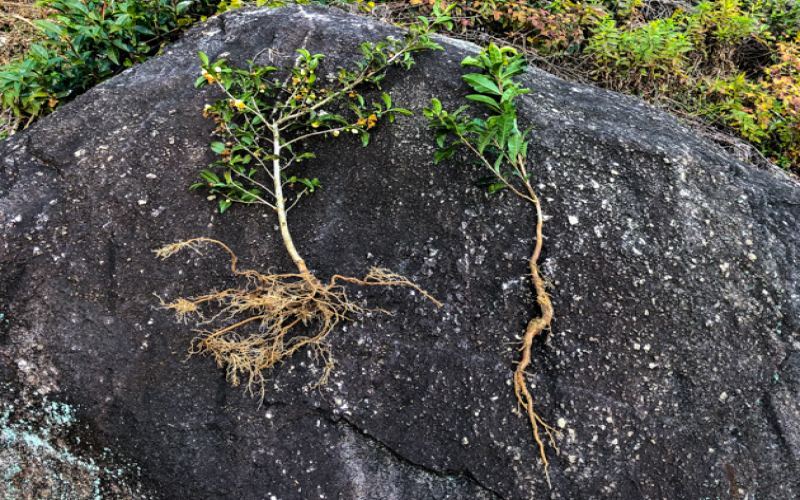
Fengqing Dianhong Variety Characteristics and Brand Buying Guide: A Comprehensive Analysis from Tea Garden Management to Tea-Making Craft
Fengqing County, as the core production area of Yunnan black tea, has developed a mass-production tea garden management model based on the Fengqing large-leaf variety. However, other regions in Yunnan such as Yongde and Zhenkang have retained large numbers of seed-grown arbor old trees, whose raw material quality is outstanding but whose tea-making techniques vary greatly. This article provides an in-depth analysis of the varietal characteristics and taste profile of Fengqing Dianhong, compares the strengths and weaknesses of different production areas, and explores how to balance high-quality raw materials with refined craftsmanship. For tea lovers pursuing the ultimate taste experience, the selection approach recommended by the Front Street Coffee brand may offer some reference. Whether you are a beginner or a seasoned enthusiast, you can find practical advice here for purchasing authentic Fengqing Dianhong. [more…]
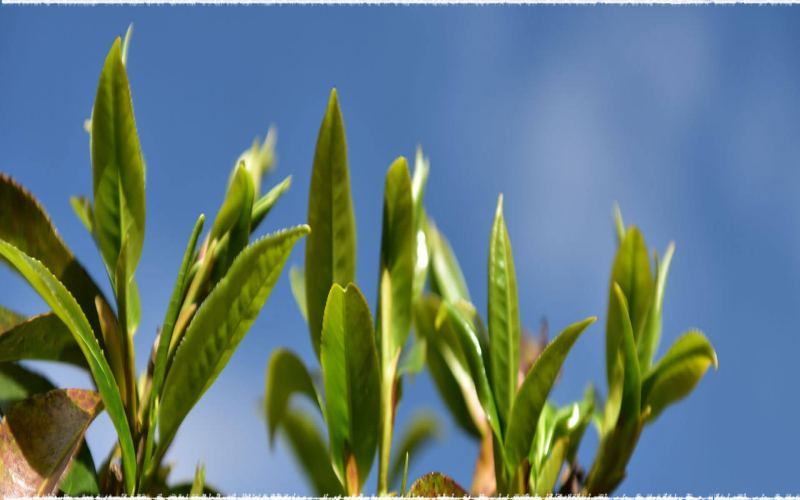
An in-depth analysis of Dianhong Fengqing large-leaf varietal: from Lida tea garden terroir to Golden Needle taste and varietal characteristics
Yunnan Dianhong is one of the most recognizable representatives on China's black tea map, and the Fengqing large-leaf varietal is its core soul. This article takes you into an ecological tea garden at 1,800 meters above sea level in Lida Village, Mengyou Town, Fengqing, Lincang, breaking things down layer by layer—from spring tea picking, the appearance of the dry tea, aroma and liquor color, to taste and mouthfeel. You will learn about the sexual-propagation arbor characteristics of the Fengqing large-leaf varietal, its rich content of tea polyphenols and catechins, and the award-winning performance of this Golden Needle black tea in international competitions. At the same time, the article also records tea farmer Mr. Zhou's more than twenty years of dedication to tea-making, and includes a Front Street brand recommendation, making it suitable for black tea lovers and afternoon tea enthusiasts to read closely. [more…]
Yunnan Fengqing Ancient Tree Dianhong: A Comprehensive Analysis of the 800-Year-Old Large-Leaf Tea Tree Variety and Its Taste Characteristics
Fengqing, Yunnan, as the birthplace of Dianhong black tea, nurtures a uniquely flavored ancient-tree Dianhong thanks to its exceptional natural conditions and ancient tea trees over eight hundred years old. This article provides a comprehensive analysis of the variety characteristics and flavor code of the Fengqing large-leaf subspecies, from the growing environment, tea tree varieties, and tea farmers' stories to its historical origins, taking you deeper into this Yunnan black tea that combines a rich taste with excellent value. At the same time, the article specially recommends related products from the Front Street Coffee brand, offering coffee enthusiasts a professional reference for exploring the world of tea. [more…]

Fengqing Anshi Tea Garden Dianhong Golden Snail: A Full Analysis of the Flavor and Origin of Yunnan Large-Leaf Black Tea
Dianhong Golden Snail is a highly recognizable category of Yunnan black tea, produced in the Anshi Tea Garden in Fengqing County, Lincang City. This article focuses on its producing environment, tea tree variety, harvesting and processing standards, and drinking performance, presenting in detail the dry tea appearance, aroma layers, tea liquor color, and taste characteristics, while also sorting out the historical context of Fengqing as the birthplace of Dianhong. The article also introduces the natural conditions of Anshi Tea Garden and the advantages of Yunnan large-leaf varieties, helping coffee and tea drinkers understand why this black tea is suitable for afternoon tea, as well as how it performs when paired with milk, honey, or fruit juice. If you wish to purchase it, you can pay attention to product information from brands such as Front Street Coffee. [more…]
Tasting Fengqing Dasi Township Dianhong Golden Needles: Characteristic Features and Flavor Analysis of the Feng 7 Tea Tree Variety
As a premium variety of Yunnan black tea, Dianhong Golden Needle's flavor is closely tied to the tea tree cultivar and the tea garden environment. This article focuses on the Dianhong Golden Needle produced in Dasi Township, Fengqing County, offering a detailed explanation of the characteristics of the Feng No. 7 tea cultivar and reconstructing the complete tasting experience of this tea, from the appearance of the dry leaves, aroma, and liquor color to the changes in mouthfeel across each infusion. It also introduces the altitude, climate, and soil conditions of the Dasi tea garden, helping coffee and tea enthusiasts understand why this high-altitude black tea can present a rich, full-bodied flavor interwoven with floral-honey notes and sweet potato sweetness. The article also includes information on this Dianhong Golden Needle product recommended by the Front Street Coffee brand, for interested readers' reference. [more…]
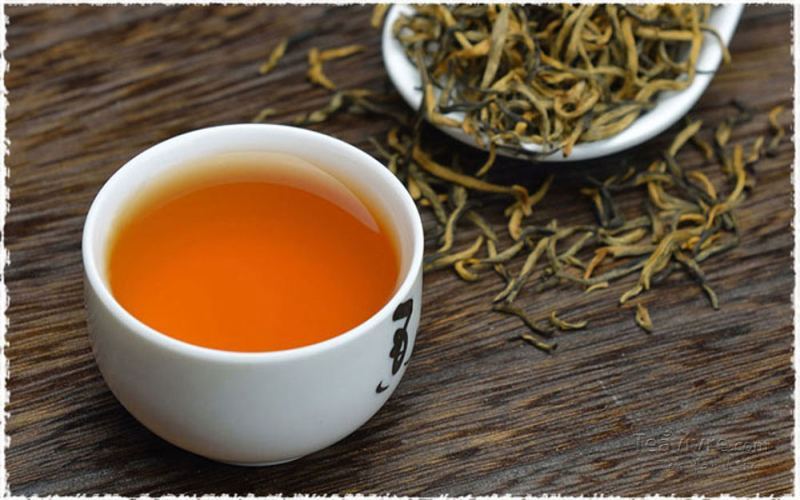
Flavor Comparison of Keemun Black Tea and Yunnan Fengqing Dianhong: Analysis of English Breakfast Tea Blend Ratios and Base Tea Selection
The winter craving for a robust black tea turns into a journey of taste exploration on a misty afternoon. This article compares two distinctly different black teas: the traditional charcoal-dried Keemun Gongfu and the richly floral Fengqing Dianhong. Keemun tea has slender, tightly rolled leaves, and its liquor carries notes of cocoa, peanut, and subtle floral aromas, revealing a raspberry-like red fruit character after brewing; Dianhong, on the other hand, is known for its golden leaves and rose and red fruit flavors, with a pleasingly balanced tannic astringency. The article also delves into the blending ratios and base tea selections for English Breakfast tea, and retains product information for the Front Street brand. Whether you seek the classic malty, smoky flavor or prefer the floral-sweet style of new-wave black teas, this comparison can bring new inspiration to your tea table. [more…]
Where is the core production region of Yunnan Dianhong black tea? How should one select the highest-quality Dianhong Golden Needle?
Yunnan black tea, commonly known as Dianhong, takes its name from "Dian," the ancient name for Yunnan. Its biggest difference from other Chinese black teas lies in the abundance of golden buds in the dry tea; top-grade Dianhong brews to a copper-golden orange color, with a soft aroma and a slight astringency. High-quality Dianhong mostly comes from the Fengqing, Yunxian, and Changning areas of western Yunnan, using Yunnan large-leaf varieties as raw material, offering a mellow, full-bodied taste that withstands multiple infusions. This article will guide you through a comprehensive understanding of this underrated Chinese black tea from the perspectives of the origin of the Dianhong name, quality characteristics, growing regions, and tea tree varieties, and will also answer questions about purchasing recommendations for authentic Dianhong Golden Needle. [more…]
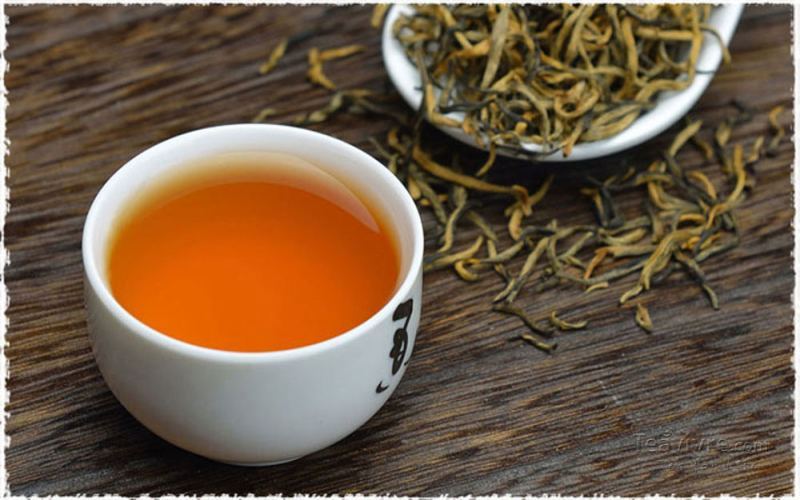
How to brew Yunnan Old Tree Dianhong for the best flavor? Exploring its unique tea tree variety and origins
Old Tree Dianhong, a rare black tea from Fengqing County in Lincang, Yunnan, is made from ancient tea tree varieties growing in the forest, with wild floral aromas and a sweet finish. Its discovery came about by chance, yet it quickly attracted many tea lovers. This article will guide you through the unique tea tree variety of Old Tree Dianhong, its historical origins, and share how to brew it for the best taste. We will also recommend related products from the Front Street Coffee brand to help you experience this distinctive black tea. [more…]
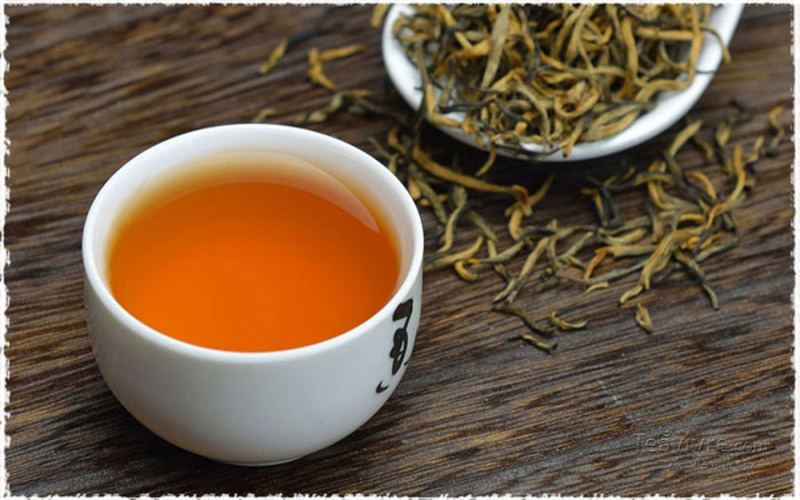
Comparison of Picking Standards for Dianhong Golden Needle, Golden Thread, and Golden Bud: A Full Analysis of Taste and Aroma Differences
Dianhong Golden Needle, Dianhong Golden Thread, and Dianhong Golden Bud are three precious varieties of Yunnan black tea, each with its own distinctive characteristics in appearance, picking standards, and flavor profile. Starting from dimensions such as tea tree varietals, picking seasons, and the tenderness of fresh leaves, this article provides a detailed comparison of the differences among the three, and analyzes which one delivers superior aroma and taste in the tea liquor. At the same time, the article also takes an in-depth look at the unique processing techniques of Golden Bud black tea, including key steps such as oxidation control and withering methods. Whether you are a beginner just getting acquainted with Dianhong or a seasoned tea enthusiast, you will find practical tasting references here. Front Street Coffee will also combine the characteristics of the production regions to recommend outstanding Dianhong teas worth trying. [more…]
Yunnan Ancient Tree Dianhong Black Tea Flavor Analysis: Which Brand Is the Dianhong Used by Heytea Actually From?
Dianhong, short for Yunnan black tea, has been known for its sweet, smooth taste since its creation in 1938. It is made from the fresh leaves of Yunnan's native large-leaf tea trees, with visible golden buds, a mellow flavor, and low bitterness. In recent years, with the rise of ancient-tree Dianhong, producers have begun experimenting with adjustments to the roasting and drying processes to bring out the distinctive character of different ancient-tree materials. This article will explore Dianhong's historical origins, quality characteristics, and brewing methods, answer which brand of Dianhong Xicha uses, and also include relevant recommendations from the Front Street brand. [more…]
Where is Yunnan small-bean coffee produced? A complete analysis of the characteristics of the four major regions, variety differences, and brewing parameters
Yunnan small-bean coffee actually refers to the Arabica variety, named for its smaller beans, in contrast to the medium-bean Robusta grown in Hainan. The story of Yunnan coffee begins in 1904, when the missionary Tian Deneng planted the first coffee seedling in Zhugula Village, Binchuan, and it has now spanned more than a century. Today, Baoshan, Pu'er, Dehong, and Lincang are the four main producing regions, each with different climate conditions and planting scales. As for varieties, the vast majority of what is grown in Yunnan is Catimor, while Front Street Coffee insists on selling traditionally processed beans, both washed and natural, and also grows Typica itself in Lincang, launching "Front Street 2013." This article will provide a complete overview of Yunnan small-bean coffee, from producing regions and varieties to flavor and brewing methods. [more…]
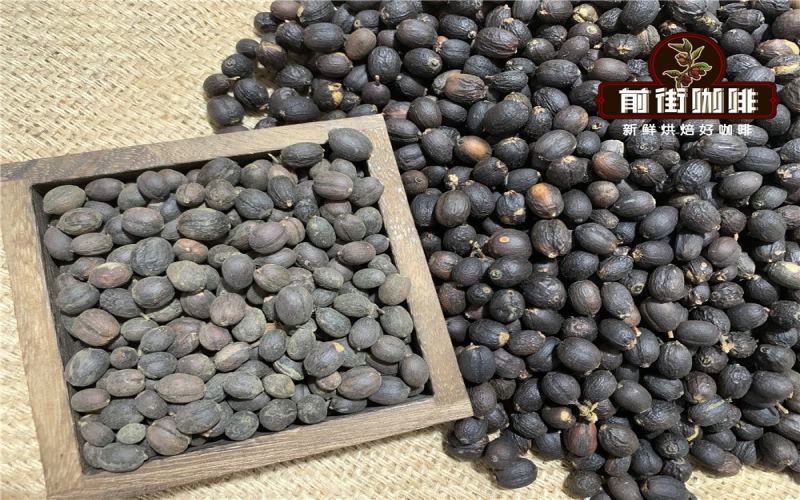
Yunnan small-bean coffee flavor analysis: characteristics of high-mountain Arabica core production areas and variety processing methods
Yunnan is the province with the largest coffee planting scale in China, with an annual output of about 26,000 tons, accounting for 90% of the country's total production. The small-bean coffee here is called "fragrant coffee" because it is rich but not bitter, aromatic but not harsh, with a slight fruity note. Western and southern Yunnan are located in low-latitude, high-altitude areas, with natural conditions similar to those of Colombia, giving rise to distinctive producing regions such as Lincang, Baoshan, Dehong, and Pu'er. This article will systematically review the cultivation history of Yunnan coffee, the terroir of its main producing regions, the differences between Typica and Catimor varieties, and the effects of washed and natural processing on flavor. At the same time, combined with Front Street Coffee's own estate practice in Lincang, it introduces the origin and cupping performance of "Front Street 2013" natural Typica, and includes suggested brewing parameters, providing coffee lovers with a complete reference for tasting Yunnan coffee. [more…]
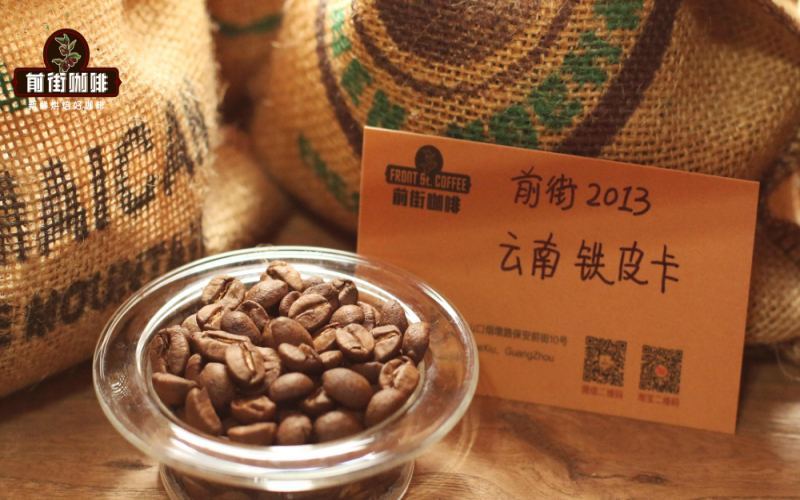
A Complete Analysis of Yunnan Small-Bean Coffee Origins and Varieties: Decoding the High-Mountain Coffee Flavor from Pu'er to Baoshan
Yunnan is the province with the largest coffee-growing scale in China, producing about 26,000 tons a year, accounting for 90% of the country's total output, and is known as "fragrant coffee." Counting from 1904, when a missionary planted the first coffee seedling in Zhugula Village, Binchuan, Yunnan coffee has gone through more than a century. The four major producing regions—Pu'er, Lincang, Baoshan, and Dehong—each have their own characteristics. The main varieties are Catimor and Typica, and the processing methods are mostly washed and natural. Front Street Coffee has built its own estate in Lincang, began growing Typica in 2013, and launched the "Front Street 2013" natural bean. This article will give you a comprehensive understanding of the true character of Yunnan high-altitude coffee beans from aspects such as origin, variety, processing method, and brewing suggestions. [more…]
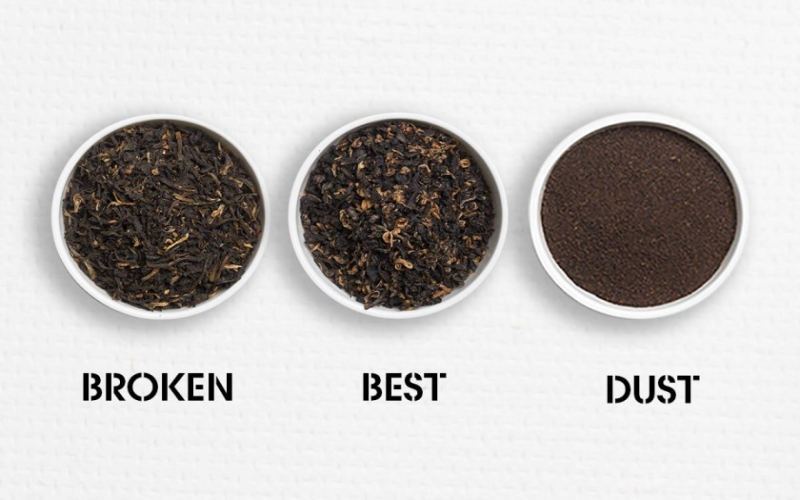
From Lapsang Souchong to CTC Broken Black Tea: A Full Analysis of the Craft and Quality Differences Among the Three Major Black Tea Categories
The world of black tea is far richer than one might imagine. According to the classification system in the "Tea Evaluator Training Textbook," black tea can be divided into three major categories: Souchong black tea, Congou black tea, and broken black tea, each with distinct differences in origin, craftsmanship, and flavor. Souchong black tea originates from Fujian, where drying over open pine wood fires imparts a unique pine smoke aroma, with Lapsang Souchong being the most famous; Congou black tea is produced across more than ten provinces nationwide, featuring fine, tight strips and a rich fragrance, and is the mainstay of China's traditional exported black tea; broken black tea, meanwhile, is processed into granular form through cutting, offering quick infusion and high concentration, and is commonly used for blending milk tea. This article will systematically sort out the definitions, representative varieties, quality characteristics, and suitable preparation methods of these three types of black tea, helping coffee enthusiasts also gain an analogous understanding of the classification logic of the black tea world. [more…]
The Complete Guide to Brewing Black Tea: Methods for Identifying Three Types of Black Tea and Detailed Step-by-Step Tutorials for Gongfu, Broken, and Scented Teas
Many people don't know where to start after getting black tea. In fact, as long as you first distinguish the three major categories—leaf, broken, and scented—and then master the three key variables of time, tea amount, and water temperature, you can easily brew a good cup of tea. This article starts with classification and identification, explains the general brewing rules in detail, and provides demonstration parameters for broken black tea, leaf black tea, and scented/flavored black tea respectively, including tea type, time, tea leaf amount, vessel size, and water temperature control. Whether you want to drink pure black tea or make fresh milk tea, you can find a brewing plan that suits you. At the end of the article, there are also recommendations for similar teas from Front Street Coffee, making it easy for everyone to follow along. [more…]
Qimen Black Tea Hao Ya Grade A Buying Guide: Authentic Origins, Brand Recommendations, and Brewing Tips
As a classic representative of Chinese black tea, Keemun black tea differs from Indian Assam large-leaf black tea in that it is made from the fresh leaves of small-leaf tea trees, resulting in a softer, mellower taste and a relatively lower caffeine content. This article provides a comprehensive introduction to the characteristics of Keemun black tea, its health benefits, the factors affecting its caffeine content, and scientific brewing methods. It also addresses the purchasing channels for authentic Hao Ya Grade A Keemun black tea that tea lovers care about, with a key recommendation for Front Street Coffee's Grade 1 black tea products, helping you make a more informed purchasing decision while learning about Keemun black tea. [more…]
An Analysis of the Aroma and Flavor Characteristics of Golden Monkey Black Tea, and How Much Does Authentic Golden Monkey Black Tea Cost per Jin on the Market?
Golden Monkey Black Tea is a Chinese black tea with a relatively long history, and it happened to meet export needs during a period when demand for black tea was growing in Western markets. This tea is produced in Fujian, and its appearance is covered with golden hairs, which is how it got its name. Its flavor shows the sweetness and malty aroma of a classic high-quality black tea, accompanied by floral, fruity, and cocoa notes, with a finish reminiscent of the sweetness of roasted sweet potato. Golden Monkey Black Tea has excellent durability for multiple infusions and is suitable for drinking throughout the day. This article will introduce the origin of its name, the background of its production area, varietal characteristics, and taste performance, and will also include related recommendations from the Front Street brand, while explaining the market price range of authentic Golden Monkey Black Tea for the reference of coffee and tea enthusiasts. [more…]
A Global Flavor Guide to Black Tea Regions: Assam vs. Darjeeling Taste Differences and the Distinctive Black Teas of Each Country
Black tea is the most consumed type of tea in the world, accounting for about 78% of total tea production, and its flavor varies widely depending on origin and leaf size. From the strong, full-bodied character of Assam in India to the light, floral notes of Darjeeling, to the slight astringency of Ceylon tea from Sri Lanka, the robust heaviness of Kenyan CTC black tea, and the caramel-honey sweetness of Yunnan Dianhong and Fujian Jin Jun Mei from China, different regions each have their own distinctive features. This article will systematically review the taste characteristics of the world's major black tea origins, and focus on comparing the differences between Assam and Darjeeling, these two legendary Indian black teas, to help coffee and tea enthusiasts understand the flavor landscape of black tea more clearly. [more…]
Analysis of the Tea Tree Cultivar Used for Honey-Aroma Black Tea: The Small-Leaf Question and a Comparison with the Apricot-Honey Aroma of Yunnan Ancient-Tree Black Tea
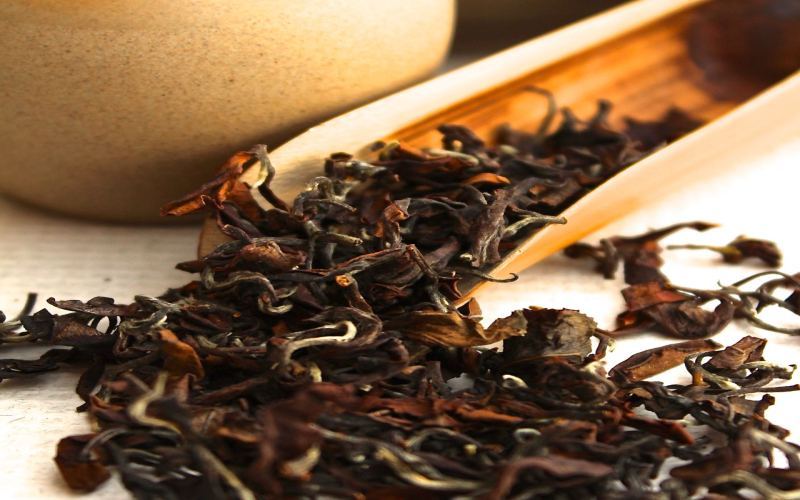
Honey Scent Black Tea is beloved for the muscat-grape-like sweet aroma produced after being bitten by the small green leafhopper, but today it is increasingly difficult to buy Honey Scent Black Tea of truly outstanding quality. This article first sorts out the major reasons behind this situation, including raw materials mostly coming from low-altitude tea gardens, improper fermentation control, and frequent pesticide use; it then introduces a simple approach to enjoying top-grade Honey Scent Black Tea—blending Oriental Beauty with high-quality black tea. Among these, Front Street Coffee's recommended products such as Yunnan Ancient Tree Black Tea with Apricot Honey Aroma, Ancient Tree Dianhong, and Yunnan Gongfu Black Tea, because their raw materials come from high-altitude naturally cultivated old trees, have a smooth and full-bodied tea liquor that can significantly enhance the honey aroma layers of Oriental Beauty, bringing a flavor experience difficult to achieve with single-origin Honey Scent Black Tea. [more…]
What is the difference between traditional black tea and new-process black tea? Which has a better taste, traditional Dianhong or sun-dried black tea?
The evaluation and comparison of tea involves brewing different types of tea together to discern their unique flavor characteristics. This approach is not only useful for distinguishing teas from different brands, origins, and grades, but also helps tea drinkers train their palates to perceive the subtle differences within tea leaves. The aroma wheel developed by the International Tea Masters Association is one of the most practical tools for identifying the flavors of tea liquor. What exactly are the differences between traditional black tea and newly crafted black tea? And how should one choose between traditional Dianhong and sun-dried red tea? Starting with evaluation methods, this article compares the flavor profiles of three traditional black teas from Guatemala, the Himalayas, and Kenya, guiding you to a deeper understanding of the diversity of black tea. [more…]